Thoughts
Signals – quick single insights or data points
Notes – medium-length reflections
Longer in-depth essays

Signals: Stop Saying Medical AI Can’t Be Held Accountable
STAT published my letter on Rao and Succi’s “shadow medical system” essay. They had closed with IBM’s 1979 line that a computer can never be held accountable, so it must never make a management decision — but that rule ended in 2018 when AI took out its first malpractice policy.
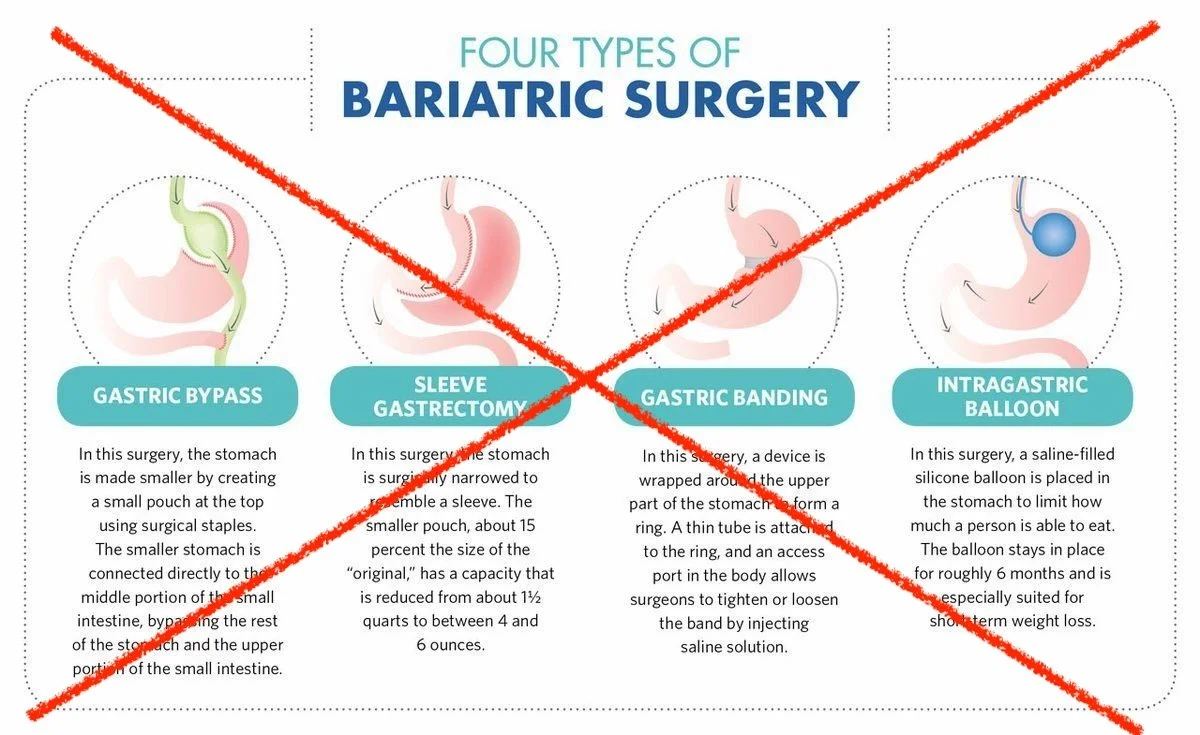
Notes: GLP-1s Cut Bariatric Surgery 34%
GLP-1 use rose more than 140% from 2022 to 2024 while bariatric surgery volumes fell 34.1%, per new JAMA Surgery article. Classic Demand Elimination — and more than 90% of eligible patients still received neither treatment.

Notes: A Wireless Home EEG You Wear for a Month
Epitel raised $26 million for REMI, a wireless EEG worn at home for weeks. It replaces multi-day inpatient workups at one of the country's few epilepsy monitoring units — lower resolution, but cheaper, more convenient, and longer, so it can catch seizures a three-day stay would miss. Classic Monitoring Migration. Classic disruption, too.
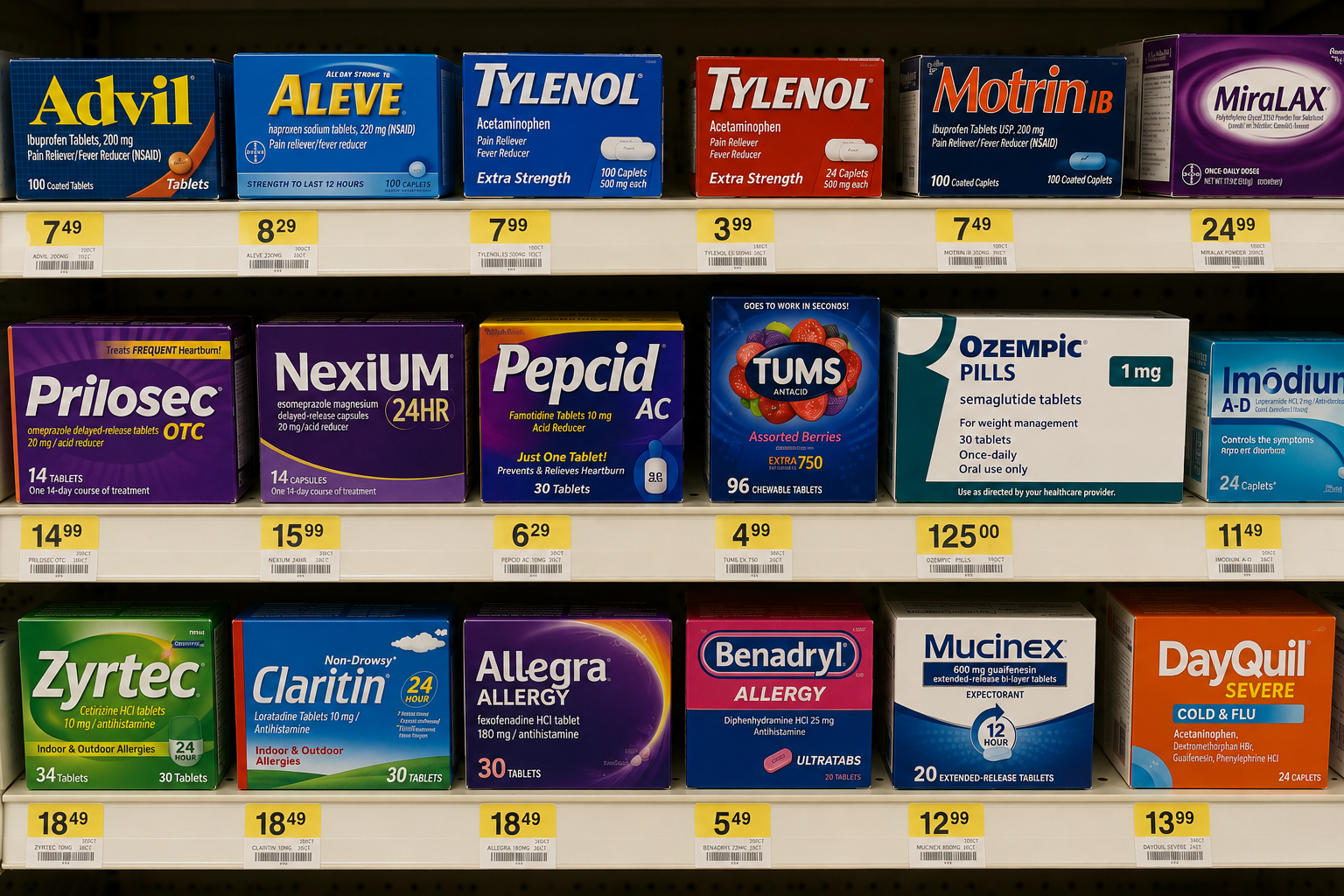
Ozempic Is Already Kind of OTC. Let's Make It Official.
Forty-five of 49 telehealth sites prescribed a GLP-1 to a fake patient based on a web form and an upper-body photo. The prescription requirement doesn’t exist in practice. Given a benign 20-year safety record and a new FDA pathway for OTC drugs that need screening, it may be time to stop pretending otherwise.
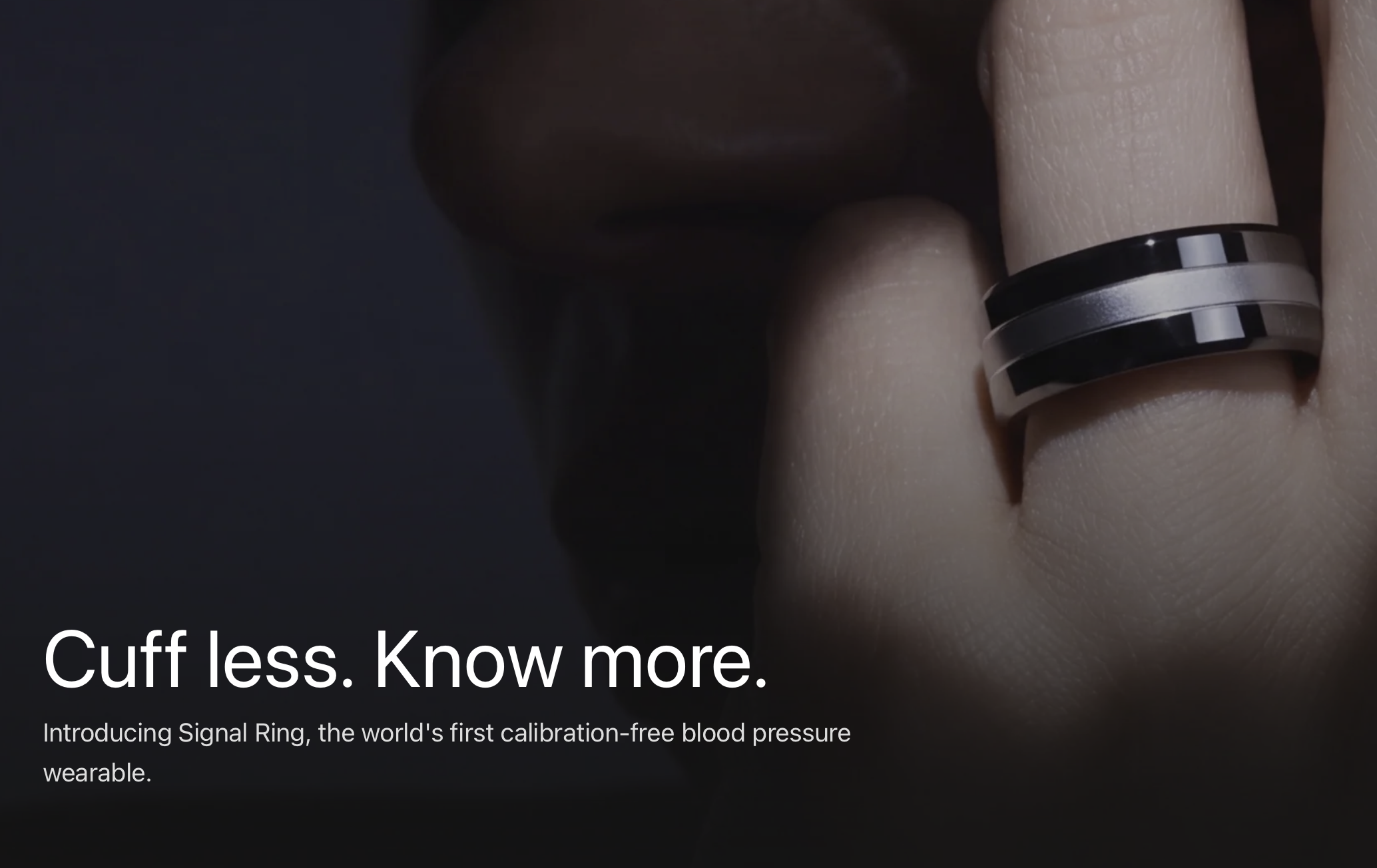
Wearable Blood Pressure: Where Things Stand
Signal Ring just announced a $399 ring that reads blood pressure continuously with no cuff and no need to calibrate. A first — if it works. Prompted me to look at where we are with current efforts at BP on wearables from Huawei, Samsung, Hilo, and Apple. Bottom line: no cuff-less device has been validated for continuous use, including Signal Ring.

Which AI is Best for Doctors? We Still Don't Know
Two head-to-head studies of medical AI came out weeks apart and reached opposite conclusions — one says general-purpose AI wins, the other says OpenEvidence does. Neither answers the question every doctor is actually asking: which one should I use in my practice?

One Step Closer: AI Prescribing Drugs
The FDA just cleared UpDoc, software that adjusts medication doses between doctor visits — close to what Doctronic has been running in Utah. In both, AI does what only a licensed prescriber used to, and both stay inside the system for now. Sustaining innovation for the system, potentially disruptive for the doctor.
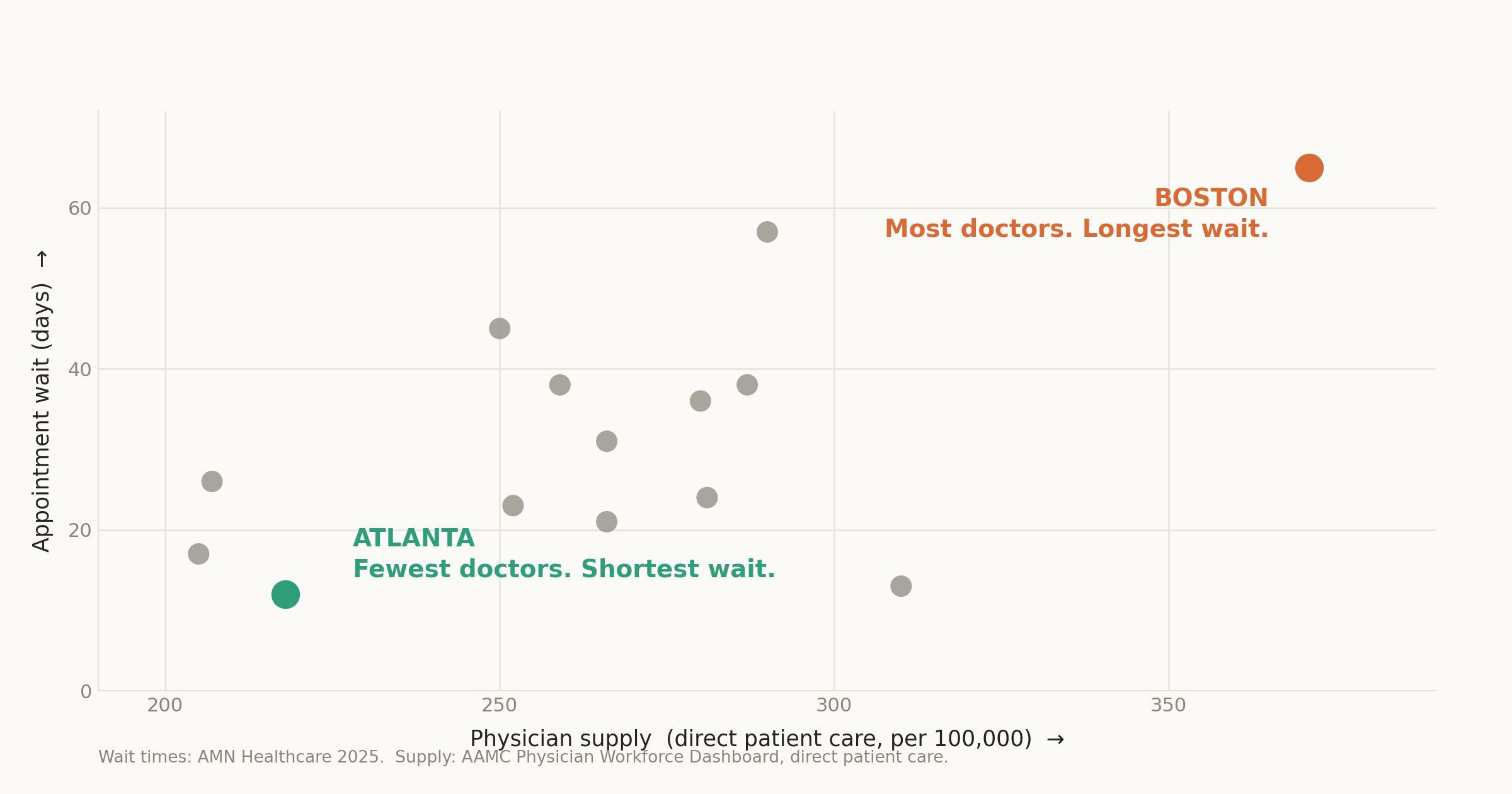
Does America Really Have a Doctor Shortage?
It’s commonly asserted that America has a looming shortage of doctors. But Boston has more doctors per capita than any state in America — and it also has the longest appointment wait in the country. What the doctor-shortage debate measures, and what it doesn’t.
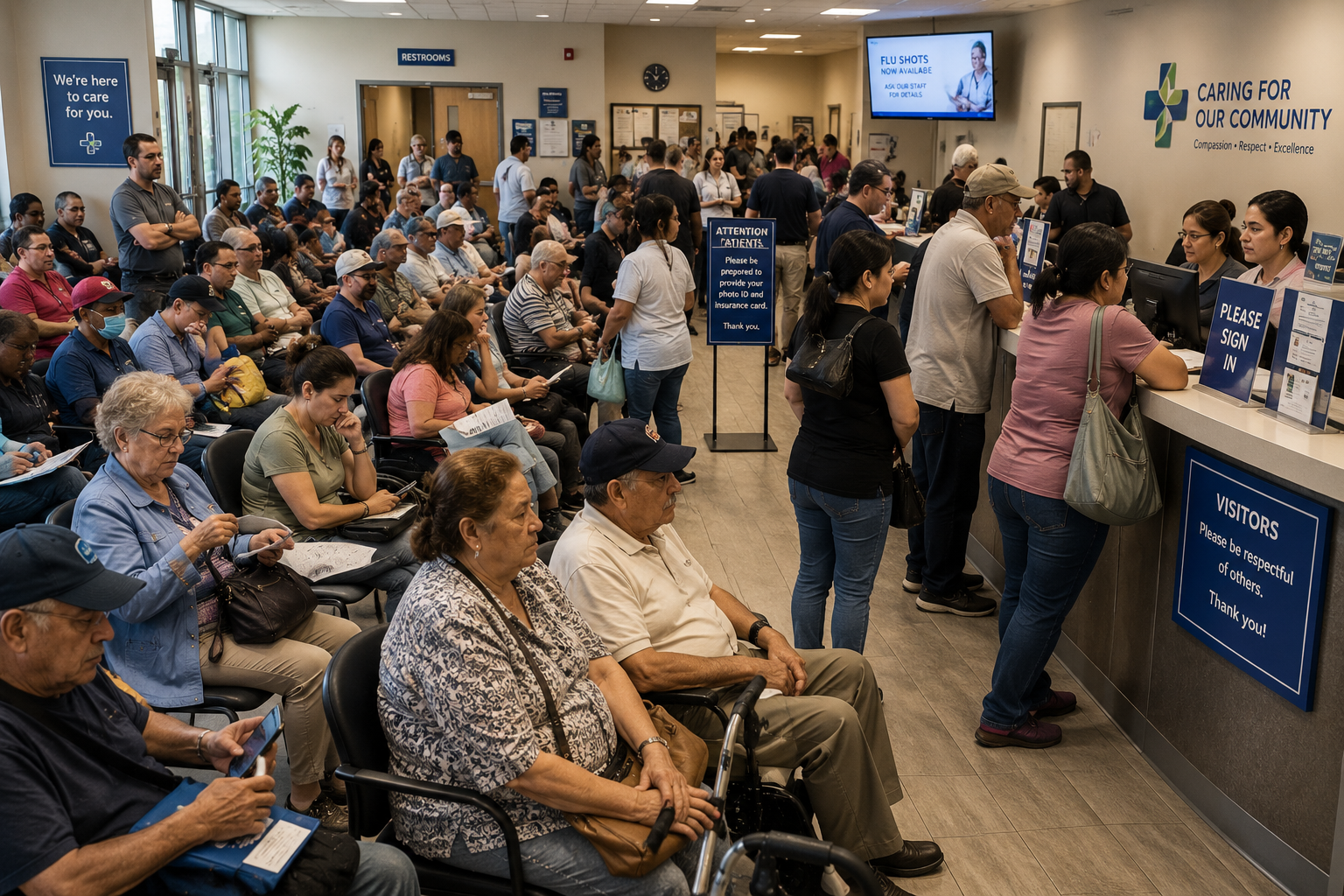
Signals: Do More Doctors Speed Up Access? (tldr: no)
Everyone I know in healthcare says long appointment waits are the result of a doctor shortage. I plotted wait times against physician supply across 15 metros and found no correlation — in fact, the biggest metro in the state with the most doctors per capita (Mass) has the longest waits.
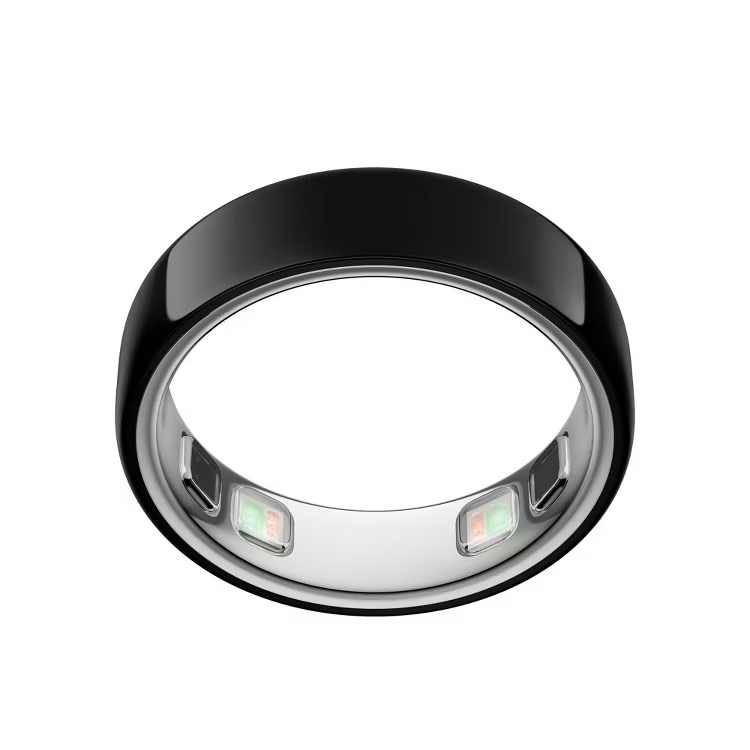
The Ring is the New Front Door
The front door to healthcare is a funnel: it directs patients to higher-level care, where the money is. Oura and Whoop are rebuilding that front door on a consumer subscription — and the demand it absorbs never shows up in the claims data.
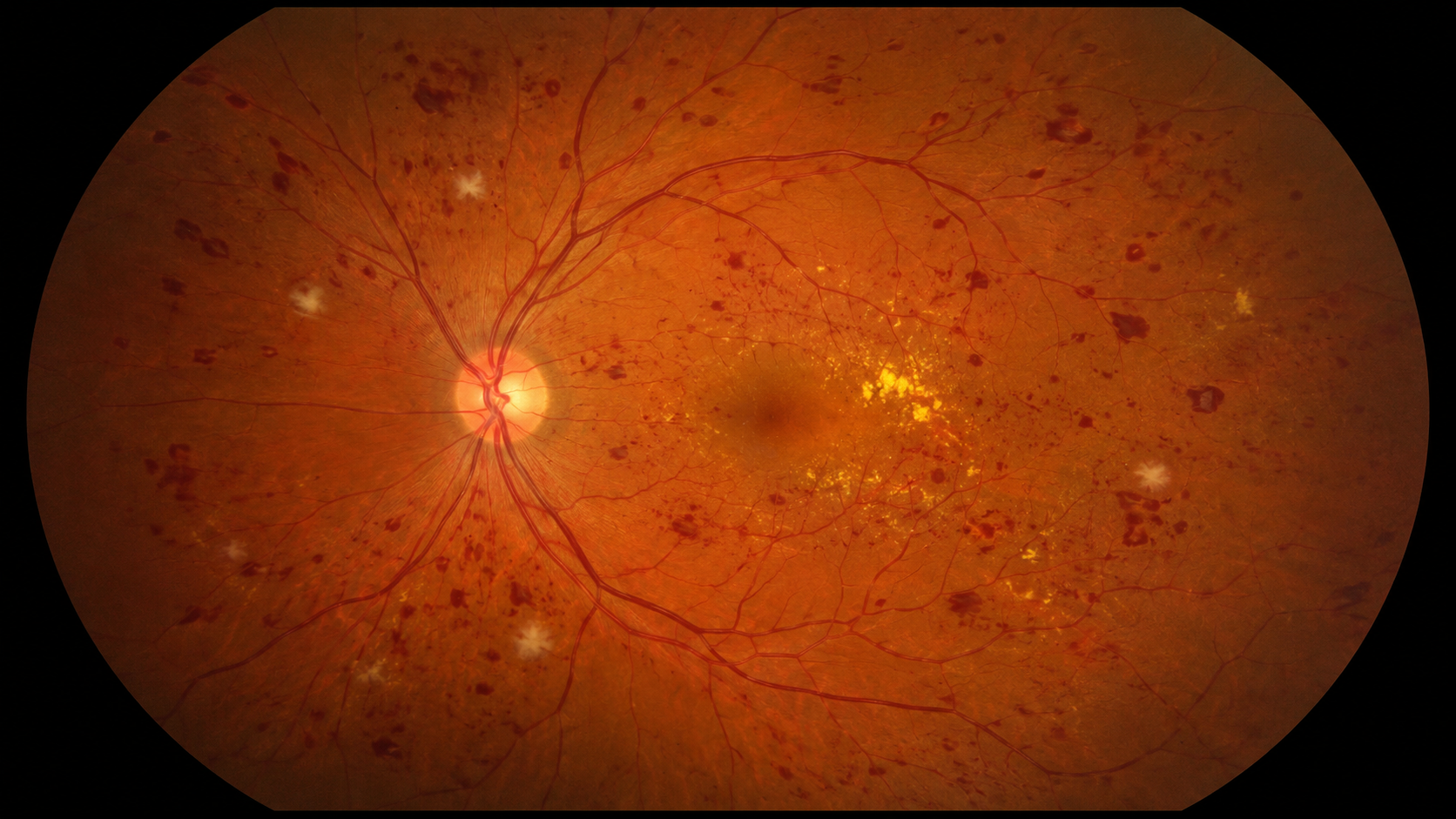
AI Is Already Practicing Medicine
A surgeon posted on on LinkedIn that Silicon Valley, incorrectly, believes AI will be practicing medicine "momentarily." But AI has been diagnosing diabetic retinopathy with no physician since 2018, and this year another began renewing prescriptions in Utah. Both AI vendors carry malpractice insurance — because both AI systems are practicing medicine.
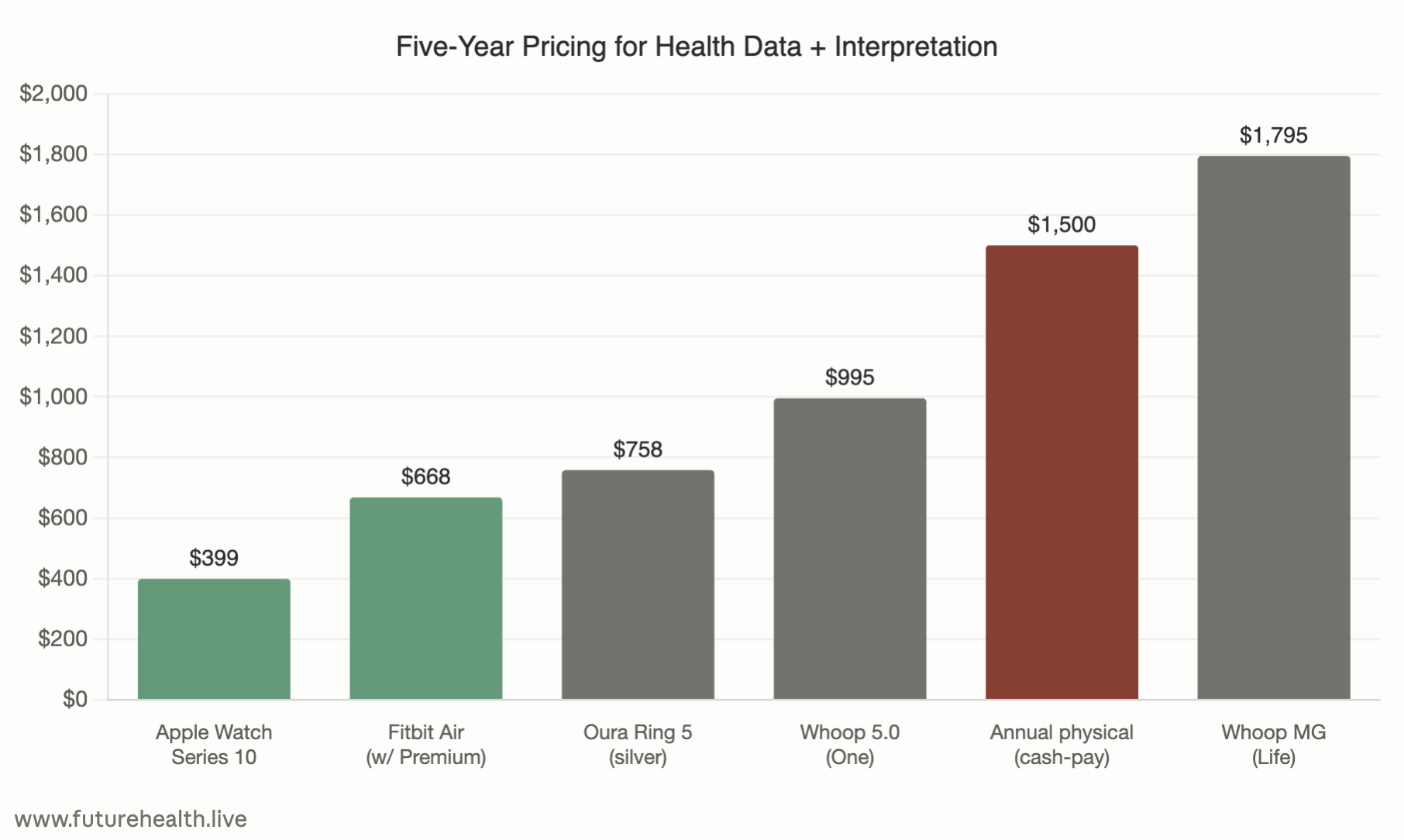
Correction re Fitbit Air: Apple Still Alone in Pricing Wearable AI Interpretation at Zero
Correction to my previous post about the new Fitbit Air. Turns out Apple's Health app prices AI interpretation at zero — no subscription, ever. But the Fitbit Air doesn't. This leaves Apple in an unexpected position as the price leader for five years of hardware and AI interpretation — a full 40% less than Fitbit Air.

Signals: The Prescription Acne Drug You No Longer Need a Prescription For
A prescription acne combination just moved to the open drug store shelf — and the FDA's justification, not the drug, is the story. Treatment Migration continues.

Signals: Utah's AI Prescriber Was More Cautious Than the Doctors Auditing It
Five months into Utah's Doctronic pilot — the first US program authorizing AI to recommend prescription renewals — the state just released outcome data. The AI's renewal recommendations are statistically indistinguishable from a second physician's. And when the AI defers to a human, it defers more often than a human would.

AI Doesn't Replace Doctors. It Replaces the Reasons to See One
Danielle Ofri’s latest New York Times essay is the latest entry in a familiar genre: the physician explaining why AI cannot replace doctors. But the real question hospital systems, medical schools, and workforce planners need to answer is not whether AI will replace doctors. It is how many physicians we will need once the set of tasks that only physicians can perform are dramatically reduced.
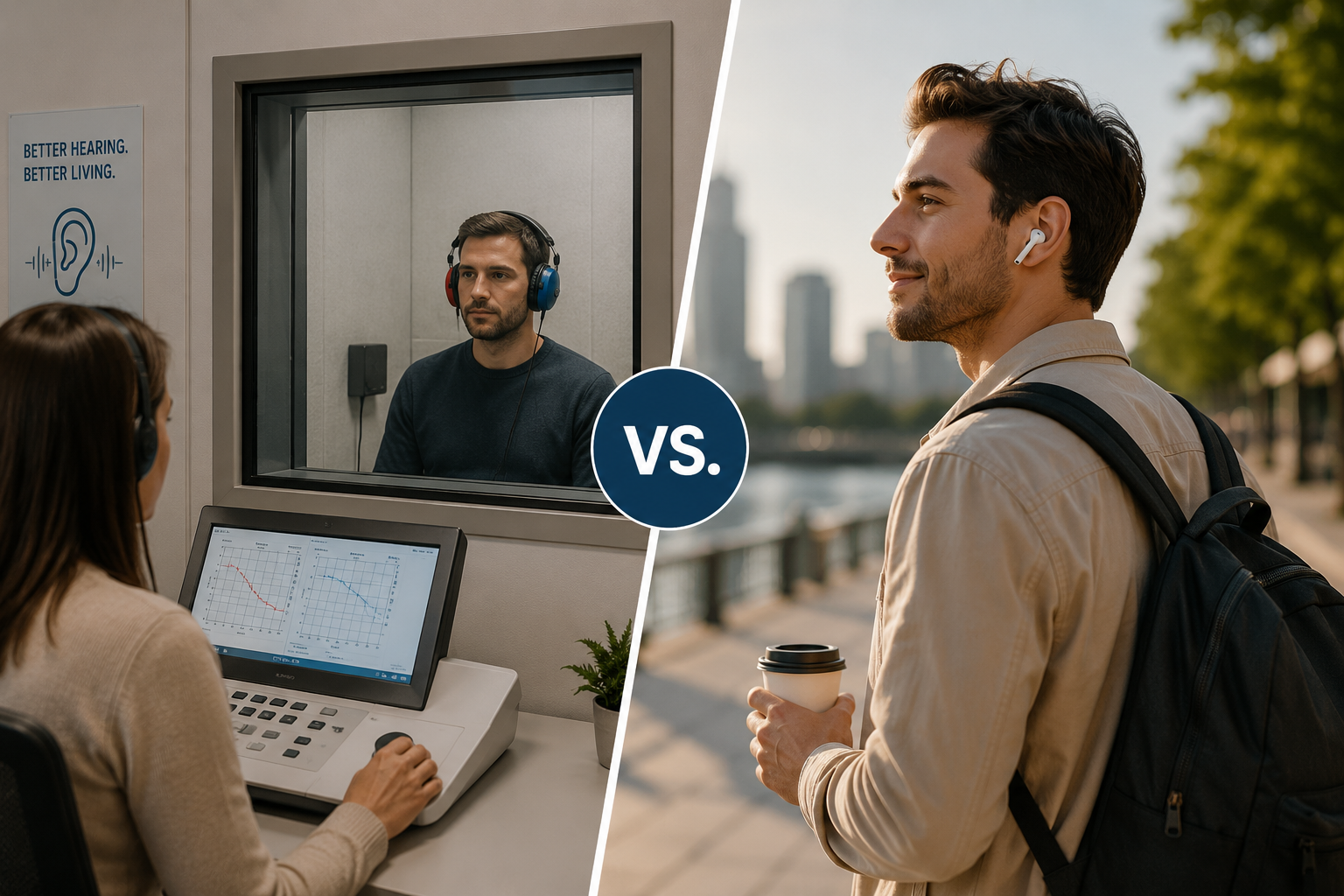
Signals: Apple Found a Link Between Hearing and Mobility Just by Looking at Data From iPhones
For decades, hearing and exercise science depended on controlled studies conducted in clinics and universities, with specialized equipment and groups of volunteers. Now millions of people are generating real-world physiological and behavioral data every day through consumer devices — turning ordinary life into a continuous, global research platform.
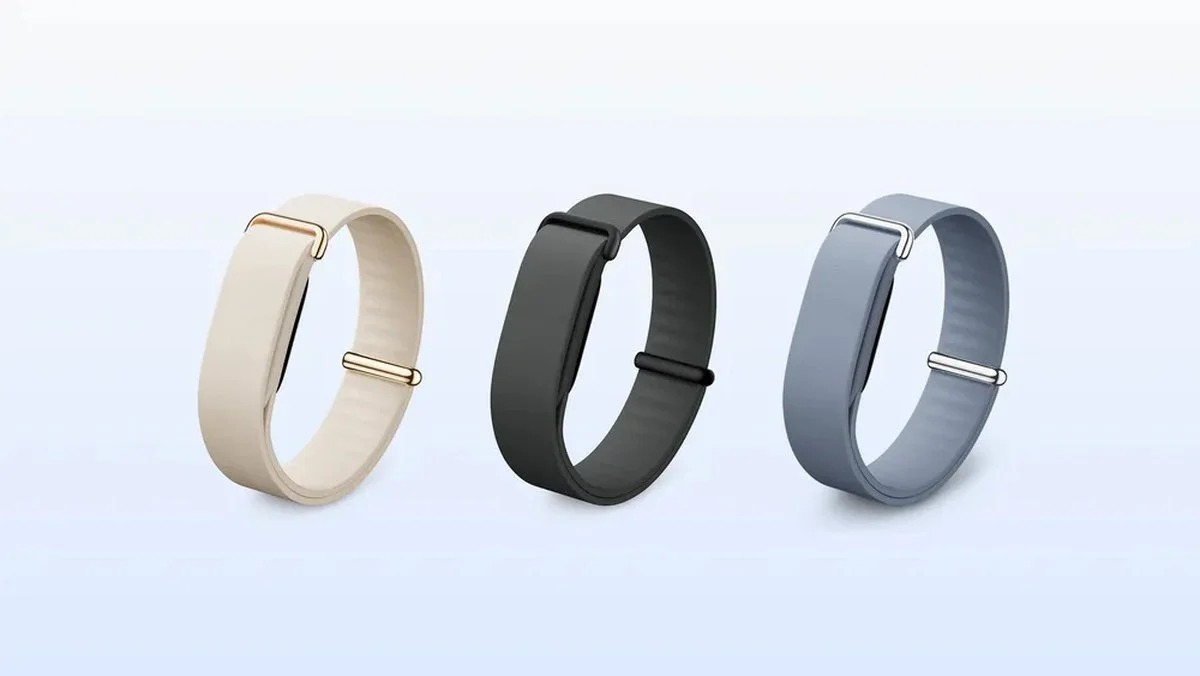
Signals: Google Joins Apple in Pricing Health Interpretation at Zero
Apple has priced biometric interpretation at zero since 2015. Google joined them this week with the $99 Fitbit Air. Whoop and Oura now have to explain a five-year cost of ownership that runs seven to eighteen times higher — and the annual checkup has to explain why it still exists.
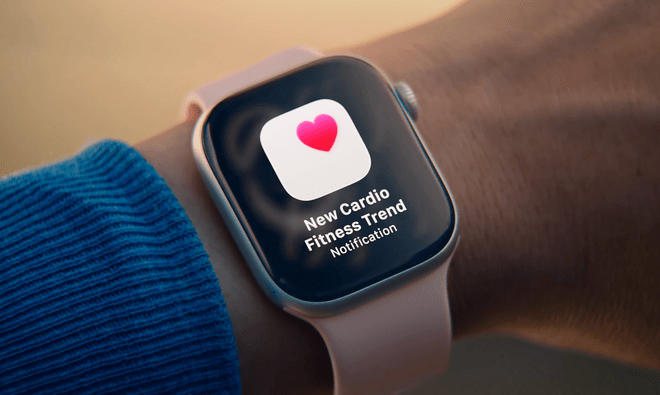
The Most Important Number Your Doctor Has Never Measured
There's a number that predicts whether you'll be alive in ten years better than your blood pressure, your cholesterol, your BMI, or whether you smoke. The American Heart Association has been recommending it as a vital sign since 2016. Your doctor has almost certainly never measured it. Apple Watch measures it every time you take a brisk walk.
Notes: 14 Million Appointments That Didn't Happen
Gallup says 14 million U.S. adults skipped a provider visit last month after using AI, which adds up to 168 million skipped visits per year. That's 16% of monthly physician visits — and it’s completely invisible in claims data, and ignored in healthcare planning.
Signals: AI is Killing 14 Million Clinic Visits — Per Month
Gallup and West Health just gave us some solid data on demand migration.
In a nationally representative survey of 5,500 U.S. adults released April 15, 14% said the AI-generated advice led them to skip a provider visit in the past 30 days. Projected to the adult population, that's roughly 14 million missed appointments in a single month.